


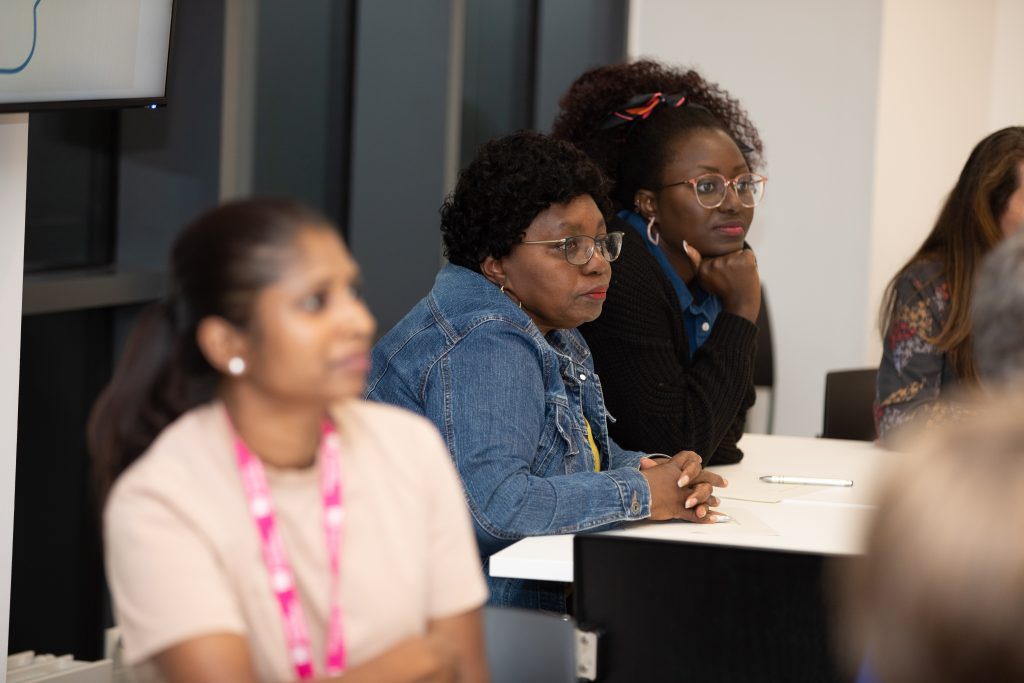
Healthwatch in Greater Manchester explore the common themes and realities of experiencing menopause in the region.
Healthwatch in Greater Manchester have released a major new report highlighting the lived experiences of women across the region navigating menopause, and the barriers they face in accessing support, care, and reliable information.
This project brought together engagement work carried out by local Healthwatch teams in Bury, Bolton, Rochdale, Heywood and Middleton, gathering insights from over 500 women through surveys, community events, focus groups and one-to-one conversations. The work was designed to understand local experiences and, together, identify region-wide themes and opportunities for improvement by listening to real experiences to influence the ongoing Womens Health Strategy in GM.
Women shared the significant personal and professional impact of menopause symptoms—including poor mental health, workplace difficulties, misdiagnosis, and lack of specialist knowledge among healthcare professionals. Many described being “fobbed off” or left to manage symptoms alone, especially when they could not access or take HRT.
Cultural stigma, language barriers, and gaps in inclusive information left some groups, including ethnic minority women and those with learning disabilities, particularly disadvantaged.
Despite these challenges, women also pointed to what made a difference—being listened to, peer support, flexible care, and trusted, evidence-based information.
Healthwatch in Greater Manchester have made a series of clear recommendations aimed at improving services, increasing awareness, and ensuring that all women in Greater Manchester can access the menopause support they need.
“This report amplifies the voices of women across our Greater Manchester communities and calls for sustainable, inclusive, and accessible menopause care in Greater Manchester. It highlights both shared regional challenges and important local variations in experience and provision. We hope these insights will drive real change and inform service improvements across the region.”
– Healthwatch in Greater Manchester
Key Findings
- Many women struggled to recognise their symptoms as menopause related, leading to delayed diagnosis and lack of treatment.
- Women frequently reported inconsistent support from GPs, often being prescribed antidepressants rather than appropriate menopause care or HRT.
- Symptoms such as brain fog, anxiety, fatigue, and low mood had a major impact on work, relationships, and confidence.
- Workplace policies and understanding were often lacking, some women left employment as a result.
- Women from ethnic minority communities faced cultural stigma, limited targeted information, and difficulty accessing support in their language.
- Peer support groups, menopause cafés, and well-informed clinicians were consistently cited as positive influences.
Recommendations
- Training for GPs and health professionals
Ensure staff are trained to offer informed, empathetic menopause care, including non-HRT treatment options and culturally sensitive approaches. - Accessible, inclusive information
Develop and share easy-read, multilingual materials through trusted channels and ensure GP websites feature a dedicated menopause section. - Menopause specialists in every Primary Care Network (PCN)
Ensure every PCN has access to a named clinician who can offer menopause advice, treatment, and follow-up support. - Community awareness and education
Invest in public campaigns, school-based education, and community engagement to normalise conversations and reduce stigma. - Improved follow-up and support
Offer follow-up appointments for HRT users, provide guidance on private testing, and include menopause in annual health checks. - Menopause-friendly workplaces
Encourage adoption of policies including flexible working, symptom awareness training, and support for affected employees. - Long-term vision for women’s health
Develop sustainable care that supports women across all stages of life—not just in crisis—and reduces health inequalities across GM.
Menopause in Greater Manchester; Listening Learning and Collaborative Change Report